Wissenschaftlicher Vortrag
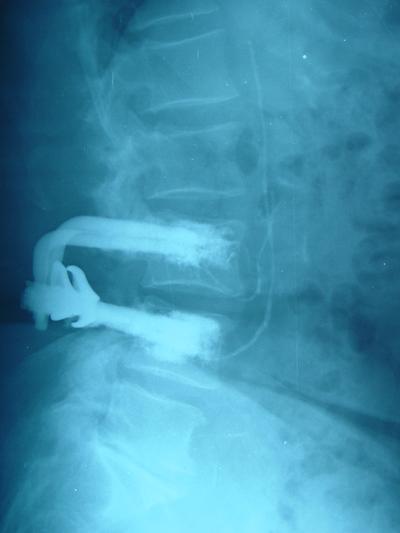
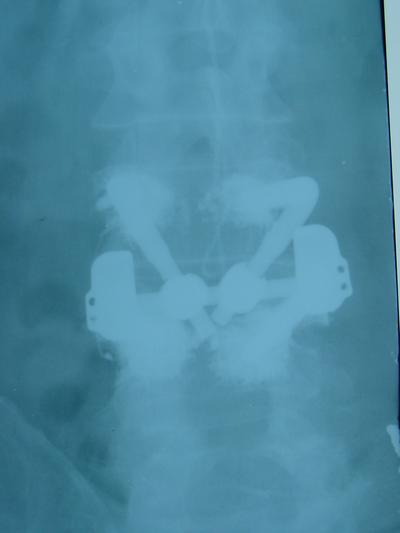
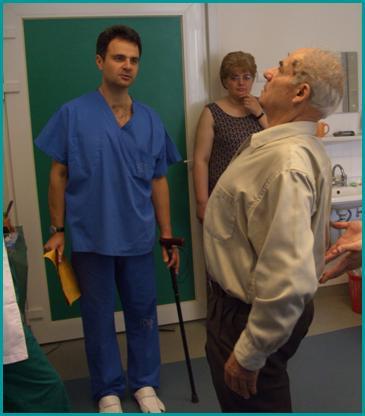
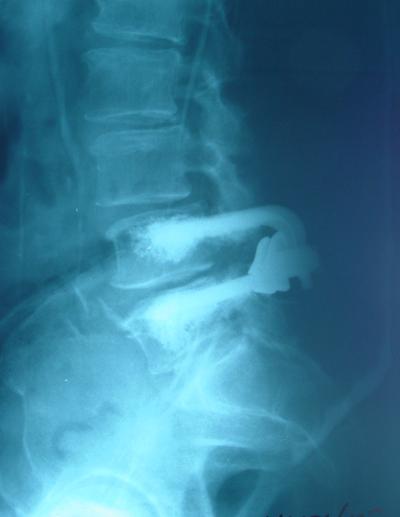
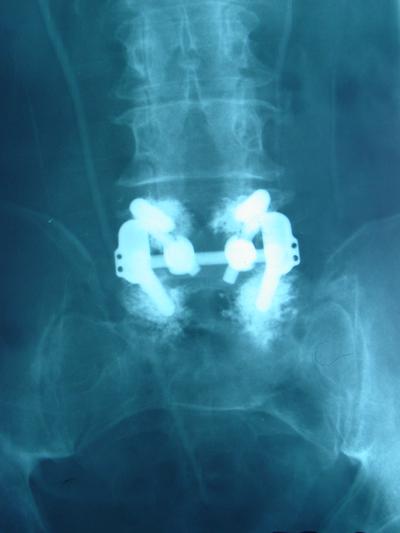
TFAS — Erste Erfahrungen mit einer neuen Technologie zum Ersatz der Facettengelenke
31 Folien · S. Webb, R. Prejbeanu, I. Branea, D. V. Poenaru, D. Vermesan · Florida Spine Institute Clearwater + Timișoara
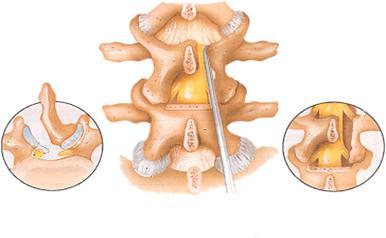
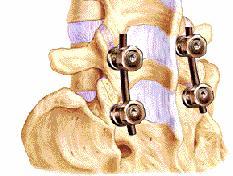
Current Therapy for Spinal Stenosis
Facet Arthroplasty
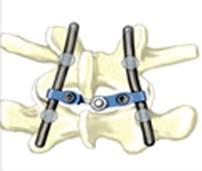
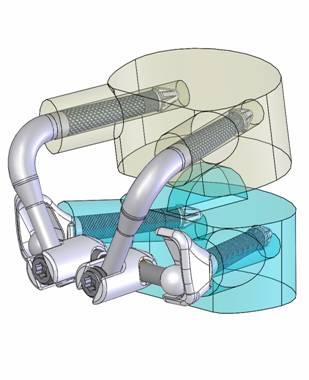
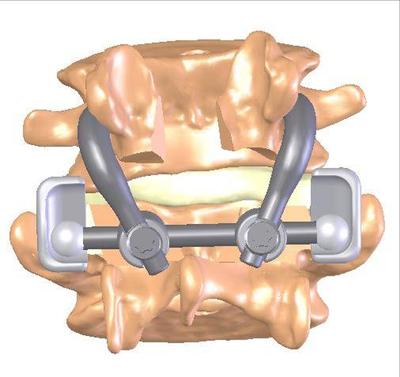
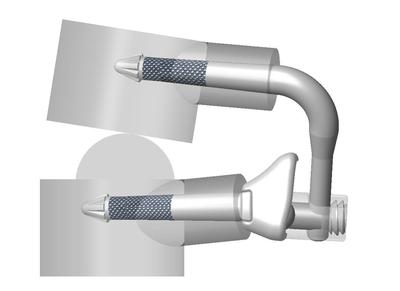
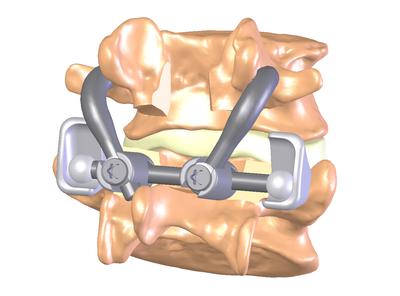
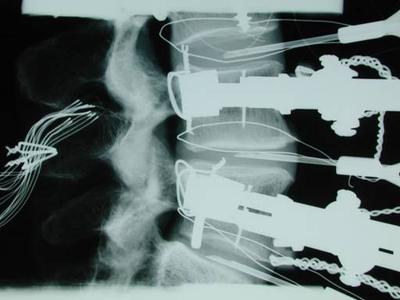
TFASTM Implant Features
TFASTM Implant Features
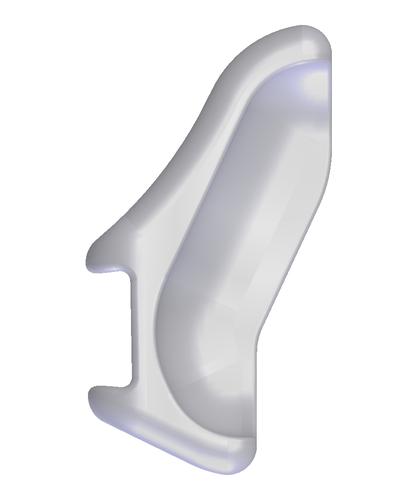
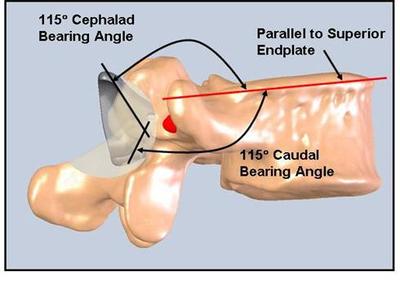
Caudal Bearing Features
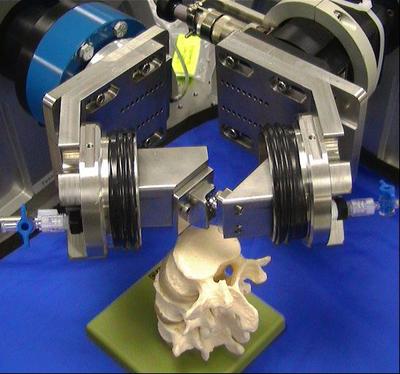
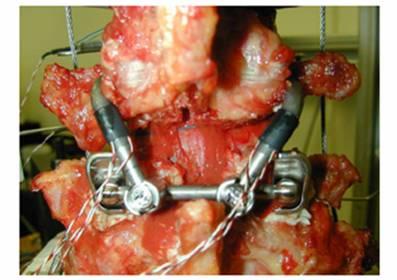
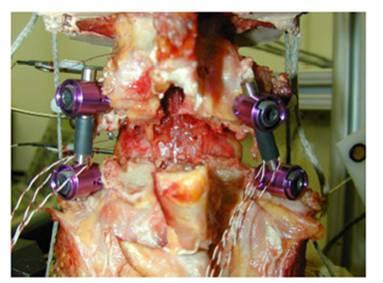
Validation of Total Facet Arthroplasty
Articulation Durability
Simulated In Vivo Loading
Intradiscal Pressures
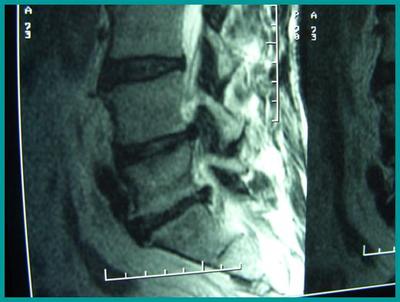
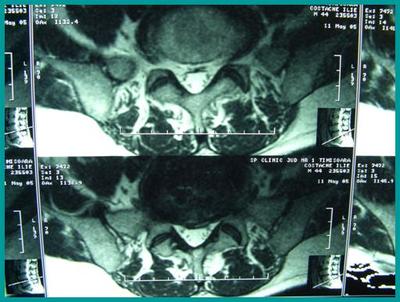
TFAS™ Patient Pre-op MRI
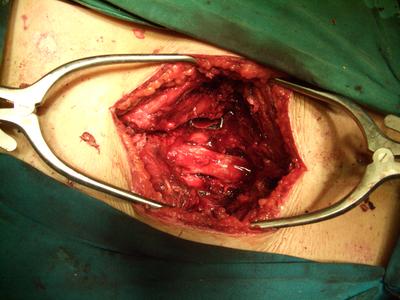
Current Clinical Status